
Why are my gums bleeding? Causes of gum bleeding and solutions
29 June 2026
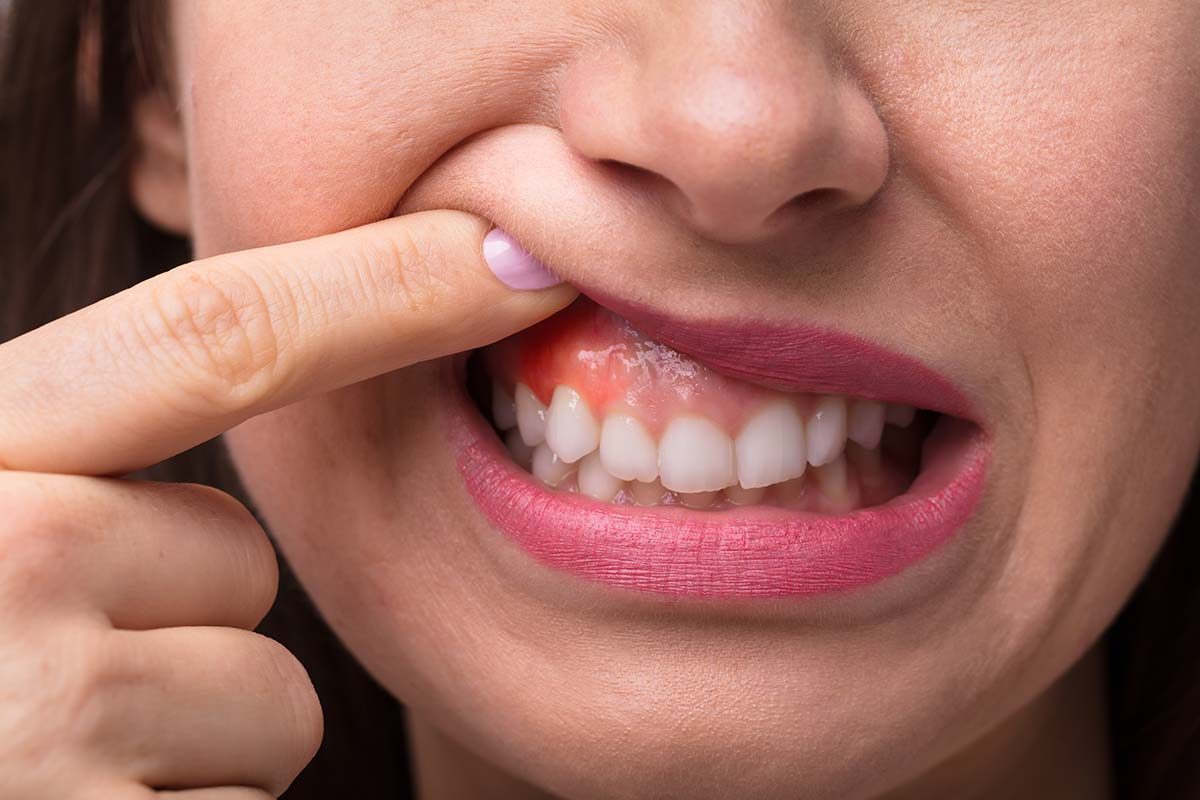
Seeing a little blood when you brush your teeth or use dental floss is more common than you might think, but that doesn't mean it should be considered normal. Gum bleeding is usually a warning sign your body sends to let you know that something isn't right in your mouth. In most cases it is a reversible problem if you act in time, although on other occasions it may indicate a more advanced periodontal disease that requires professional attention.
In this article we explain the most common causes of gum bleeding, how to identify the warning signs and what you can do to look after the health of your gums day to day.
Content reviewed by the dental team at NÔRAÍ Klinikë Dental (Zaragoza). Last updated: 2024. This information is for informational purposes and does not replace a professional consultation.
What causes gum bleeding?
Gum bleeding rarely appears without a reason. Behind it there is usually a build-up of bacterial plaque and other factors that irritate and inflame the tissue. These are the most common causes:
1. Gingivitis
This is the most frequent cause. Gingivitis is inflammation of the gums caused by the build-up of plaque and tartar along the gum line. The gums become red, swollen and bleed easily. The good news is that, at this early stage, it is usually completely reversible with good hygiene and a professional cleaning.
2. Periodontitis
If gingivitis is left untreated, it can progress to periodontitis, a more serious condition that affects the bone and the tissues that support the tooth. In addition to bleeding, gum recession, persistent bad breath and, in advanced cases, tooth mobility may appear. Periodontitis is one of the main causes of tooth loss in adults.
3. Improper brushing technique
Brushing that is too aggressive or with a hard-bristled brush can damage the tissue and cause bleeding. Paradoxically, insufficient brushing also does, as it allows plaque to build up.
4. Hormonal changes
Pregnancy, menstruation or menopause cause hormonal variations that can make the gums more sensitive and prone to bleeding. In the case of pregnancy, we are talking about the well-known pregnancy gingivitis.
5. Other factors
- Tobacco: hinders healing and masks the symptoms of periodontal disease.
- Medications: some anticoagulants or drugs can promote bleeding.
- Nutritional deficiencies: a lack of vitamin C or K can play a role.
- Diabetes: people with poorly controlled diabetes have a higher risk of gum problems.
- Poorly fitted orthodontics or prostheses: they can make hygiene difficult and encourage inflammation.
Signs of gum bleeding: when should I be concerned?
Occasional bleeding after vigorous brushing is not usually a cause for alarm. However, you should consult a professional if you notice:
- Frequent bleeding or bleeding that continues for several days.
- Persistently red, swollen or sensitive gums.
- Bad breath that does not go away.
- Gum recession or a sensation that your teeth look longer.
- Tooth mobility or changes in your bite.
During the consultation, the specialist can assess the bleeding index on probing, a measure that helps determine the degree of gum inflammation and plan the appropriate treatment. If the bleeding is heavy, sudden and does not stop, it is advisable to go to a dental emergency service for an immediate assessment.
How to prevent and reduce gum bleeding
Prevention is the best tool for keeping your gums healthy. These habits make a difference:
- Brush two or three times a day with a soft-bristled brush and a proper technique, without pressing too hard.
- Use dental floss or interdental brushes daily to remove plaque between your teeth.
- Attend regular check-ups and professional cleanings to remove the tartar that brushing cannot reach.
- Take care of your diet, reducing sugars and increasing your intake of fruit and vegetables.
- Avoid tobacco, one of the main enemies of periodontal health.
- Stay hydrated and keep conditions such as diabetes under control.
If you have crowded or misaligned teeth, hygiene can be more complicated and encourage plaque build-up. In these cases, solutions such as invisible orthodontics can help you improve both the appearance and the health of your gums.
The role of professional cleaning
No matter how good your hygiene is at home, there are areas the brush and floss cannot reach. Professional cleaning (prophylaxis) removes accumulated tartar and allows the specialist to detect any sign of periodontal disease in time. In the most advanced cases, a specific treatment such as scaling and root planing may be necessary.
When periodontal disease has caused the loss of teeth, there are solutions to restore functionality and aesthetics, such as dental implants, always after an individualized assessment of the condition of the gums and bone.
Take care of your gums at our dental clinic in Zaragoza
Gum bleeding is not something you should ignore or accept as inevitable. In most cases it is a treatable problem, especially if it is detected in its early stages. Paying attention to these signs and maintaining good hygiene habits is key to keeping a healthy smile for many years.
If you notice that your gums bleed regularly and you live in Zaragoza, don't wait for the problem to progress. At NÔRAÍ Klinikë Dental, on Av. del Puente del Pilar, 29, we carry out a complete assessment of your periodontal health and guide you on the steps to follow. Book your appointment through our form and take care of your gums with the attention they deserve.
FAQ
Is it normal for my gums to bleed when I brush?
It should not be considered normal. Occasional bleeding after very vigorous brushing may not be serious, but if it happens frequently it usually indicates gum inflammation (gingivitis). The best thing to do is to attend a check-up to identify the cause and treat it in time.
Does gum bleeding go away on its own?
When it is due to mild gingivitis, it can improve by perfecting your hygiene and having a professional cleaning. However, if the cause is periodontitis or other factors, it will not go away on its own and will need specific treatment to prevent it from progressing.
Which toothbrush is best if my gums bleed?
A soft-bristled brush and a gentle brushing technique are recommended, avoiding pressing too hard. Stopping brushing the area that bleeds is a common mistake, as plaque build-up worsens the inflammation. When in doubt, consult your dentist.
Can pregnancy cause gum bleeding?
Yes. The hormonal changes of pregnancy increase gum sensitivity and encourage what is known as pregnancy gingivitis. It is important to maintain good hygiene and attend check-ups during this stage to monitor your oral health.
How long does it take for gum bleeding to improve after a cleaning?
When the origin is gingivitis, many people notice an improvement within a few days after professional cleaning, provided they maintain good hygiene at home. The inflammation usually decreases significantly within one or two weeks. If the bleeding persists, there may be a more advanced periodontal disease that requires additional treatment, so a professional assessment is advisable.